Asset finance is a collective term for lending products that use a physical asset as the basis of the finance arrangement. Rather than providing a general-purpose cash loan, the lender either retains ownership of the asset until the finance is repaid (in hire purchase and finance lease arrangements) or lends against the value of an asset you already own (refinancing).
The key advantage of asset finance over a standard business loan is that the asset itself provides the primary security, reducing the risk profile for the lender and often resulting in lower rates and faster approvals than unsecured borrowing.
Owner-occupied commercial mortgages are for businesses buying the premises they trade from. Affordability is assessed on the trading profit of the business. Lenders typically lend up to 70% to 75% LTV and want to see at least two years of accounts showing consistent profitability.
Investment commercial mortgages are for landlords buying property to let to business tenants. Affordability is assessed on the passing rent against the loan repayments, usually requiring rental income to cover the mortgage payment by 125% to 150%. Strong tenant covenants and long unexpired lease terms can improve both LTV and rate.
| Asset Category | Max Finance % | Typical Term | New or Used |
|---|---|---|---|
| Commercial vehicles | Up to 100% of cost | 2 to 7 years | New and used |
| Plant and machinery | Up to 90% of cost | 2 to 7 years | New and used |
| Technology / IT | Up to 100% of cost | 1 to 5 years | New preferred |
| Agricultural equipment | Up to 90% of cost | 2 to 7 years | New and used |
| Medical equipment | Up to 100% of cost | 2 to 7 years | New and used |
| Fit-out and fixtures | Up to 85% of cost | 3 to 7 years | New |
You pay for the asset in fixed monthly instalments over an agreed term, and ownership transfers to you automatically at the end. Hire purchase is popular for vehicles, plant, and machinery where ownership matters for operational or accounting reasons.
The lender owns the asset throughout the lease term. You use the asset and pay a monthly rental. At the end of the primary lease period, you can extend the lease, hand back the asset, or in some cases sell it and retain a share of the proceeds. Finance leases are often used for high-value equipment where the technology or market value changes over time.
Similar to a finance lease but the lender takes on the residual value risk. Monthly payments are typically lower than hire purchase because you are not paying for the full asset value. Common for vehicle fleets and technology assets with predictable depreciation curves.
If your business owns assets outright, you can refinance them to release the equity tied up in those assets as working capital. The asset continues in use within your business while the cash is freed for other purposes.
Asset finance applications are typically faster than commercial mortgages or business loans because the asset provides clear security. Many lenders can provide a decision in principle within 24 hours for straightforward cases, and funds or the asset can be in place within a few days of approval.
Fleet finance is a high-volume, competitive segment and rates are keenly priced through specialist lenders who focus on this asset class. We compare hire purchase and operating lease options across a panel of fleet-focused lenders, considering your VAT position, whether you want to own the vehicles outright, and your expected mileage and lifecycle.
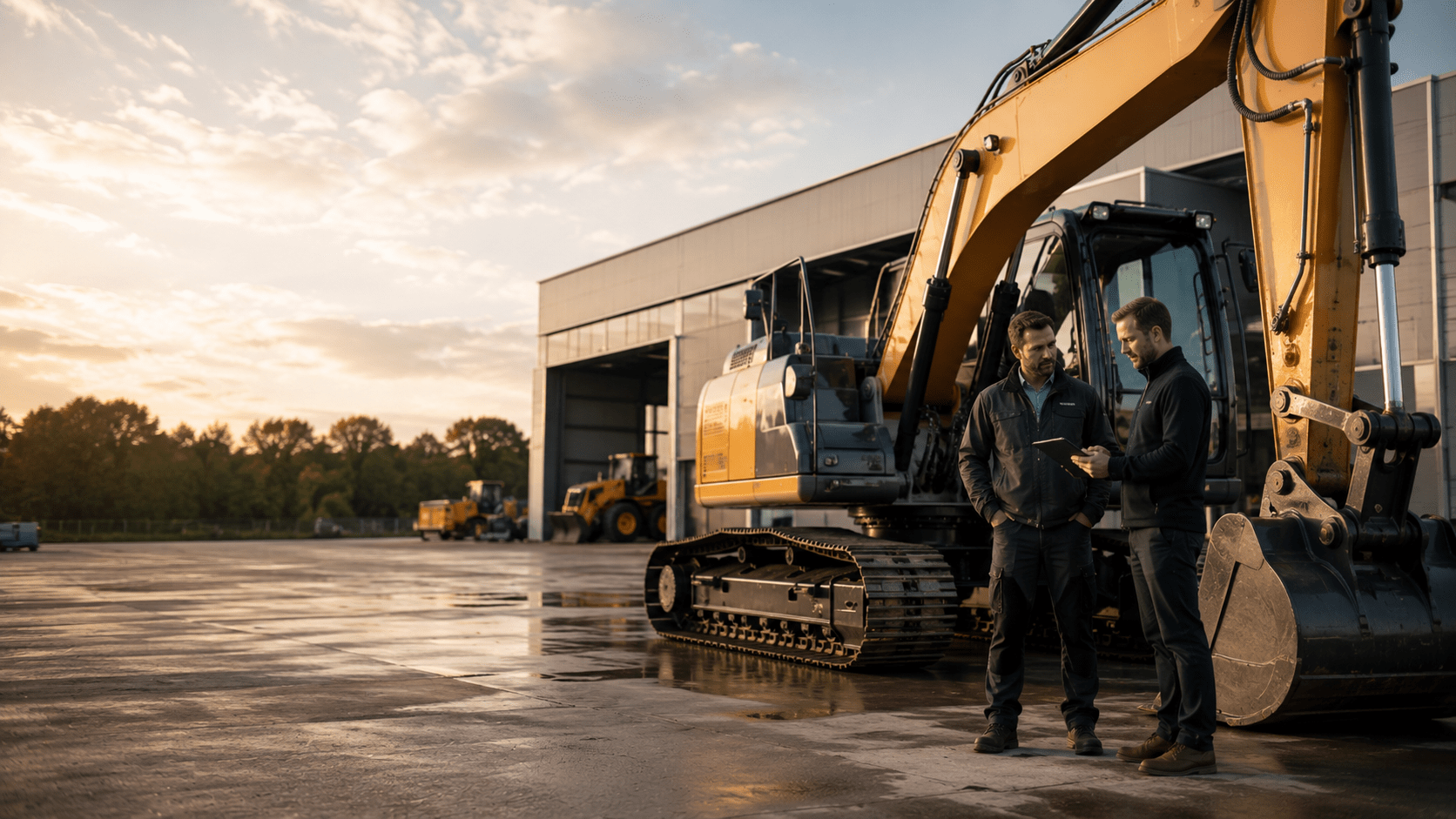
Machinery and plant can be financed on hire purchase or finance lease terms, with the monthly cost matched to the productive life of the equipment. New and used assets are both financeable, and we can arrange finance against invoice, direct with the supplier, or through auction purchase where the asset is already identified.
Asset refinancing allows you to unlock the equity in machinery, vehicles, or other assets your business already owns. The asset is valued, a sale and leaseback or refinancing facility is structured, and the cash can be used for any business purpose. The asset remains in operational use throughout.
Some asset finance lenders will consider start-ups where the asset provides adequate security and the principals have relevant industry experience. A director personal guarantee and a modest deposit improve the prospect significantly. We identify lenders whose criteria accommodate early-stage businesses.
Speak to an adviser to discuss your circumstances and find out how we can help.
Clear,honest answers to the questions we hear most from clients and introducers.
Yes. Many lenders will finance used assets, particularly vehicles, plant, and machinery, up to a certain age. The maximum age at the end of the finance term varies by lender and asset type. We identify lenders whose criteria fit your specific asset.
Many asset finance products require no deposit, particularly for new assets from approved suppliers. Some lenders ask for a 10% to 20% initial payment, which reduces monthly costs and may improve the rate available.
Asset finance can offer significant tax advantages. Hire purchase allows capital allowances claims on the asset. Finance and operating lease payments are typically fully deductible revenue expenses. We recommend discussing the tax treatment with your accountant alongside any finance arrangement.
For straightforward cases with a clean credit profile and a standard asset type, decisions can be made within 24 to 48 hours and funds or assets delivered within a few days. More complex structures or specialist assets may take longer.
Contact our team to discuss your asset finance requirements and explore the most cost-effective structure for your business.
Share a few details and a member of our team will get in touch to discuss your options.
We’ll get in touch to discuss your circumstances, what you’re looking to achieve and any relevant requirements.
Based on your enquiry, we’ll explain the available options and how you can move forward.
Your enquiry will be handled confidentially, and we’ll only contact you regarding the information you’ve provided.